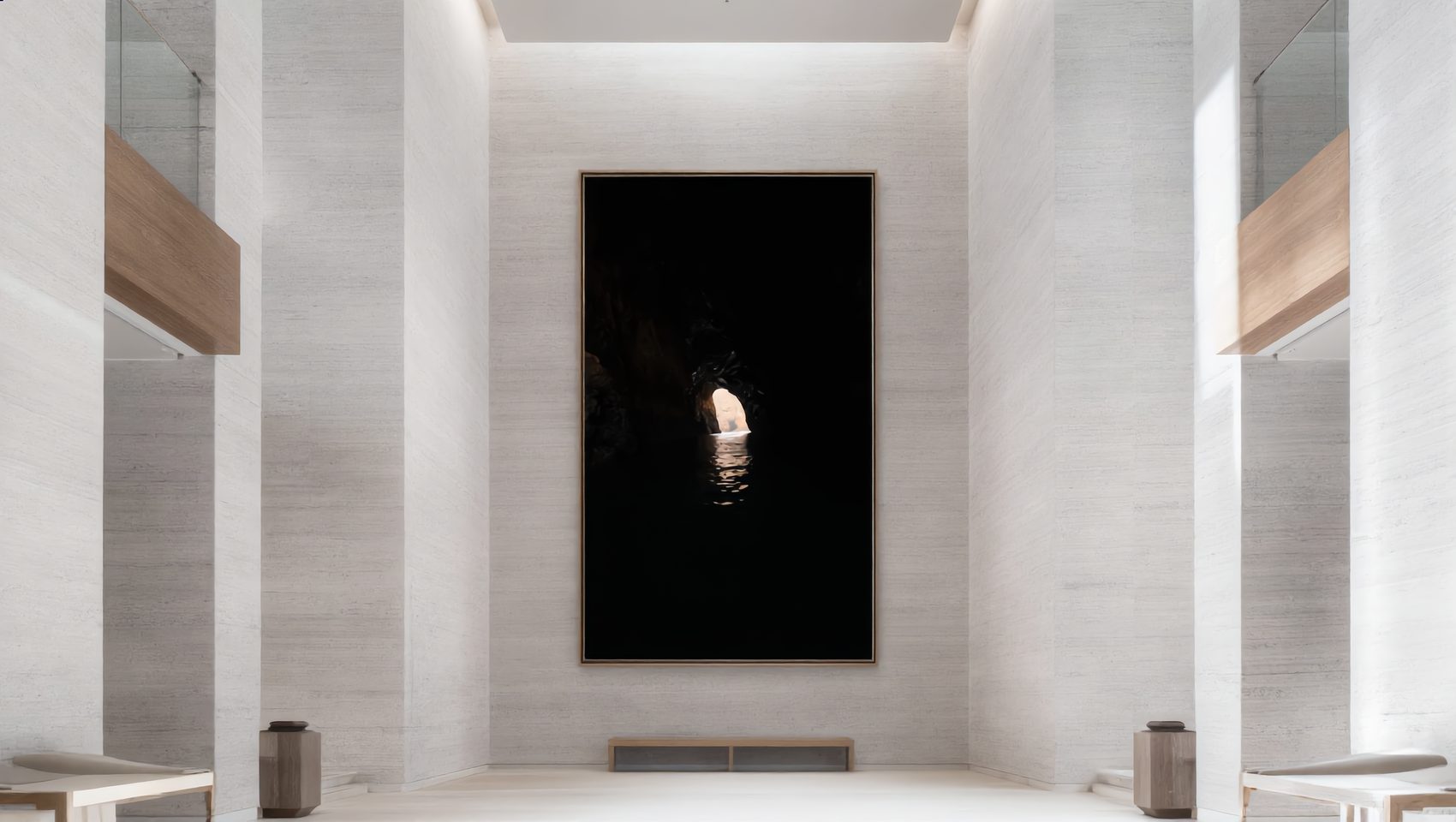
Atrium & stairwellVertical · 180 × 270cm
Tall walls are usually left empty because nothing fits them. A vertical format at full height solves it, and a near-black work on pale stone reads from across the building.
Nothing has one appearance.
Perspective is the strongest force there is.
It is not a technique. It decides what exists for you,
and what you walk past for the rest of your life.
For sixteen years I lived out of one suitcase, mostly without shoes.
Eight countries. The Atlantic, the Pacific, the Mediterranean.
I went to coastlines the way other people go to work.
The world does not have ugly days. It has unwatched ones.
What you are looking at is one exact second.
The one the light, the water and the rock agreed on.
It held, and then it was gone. My lens was open for it.
I am not showing you the ocean.
I am showing you where I stood, and what I saw from there.
These are the ones that survived the crossing.
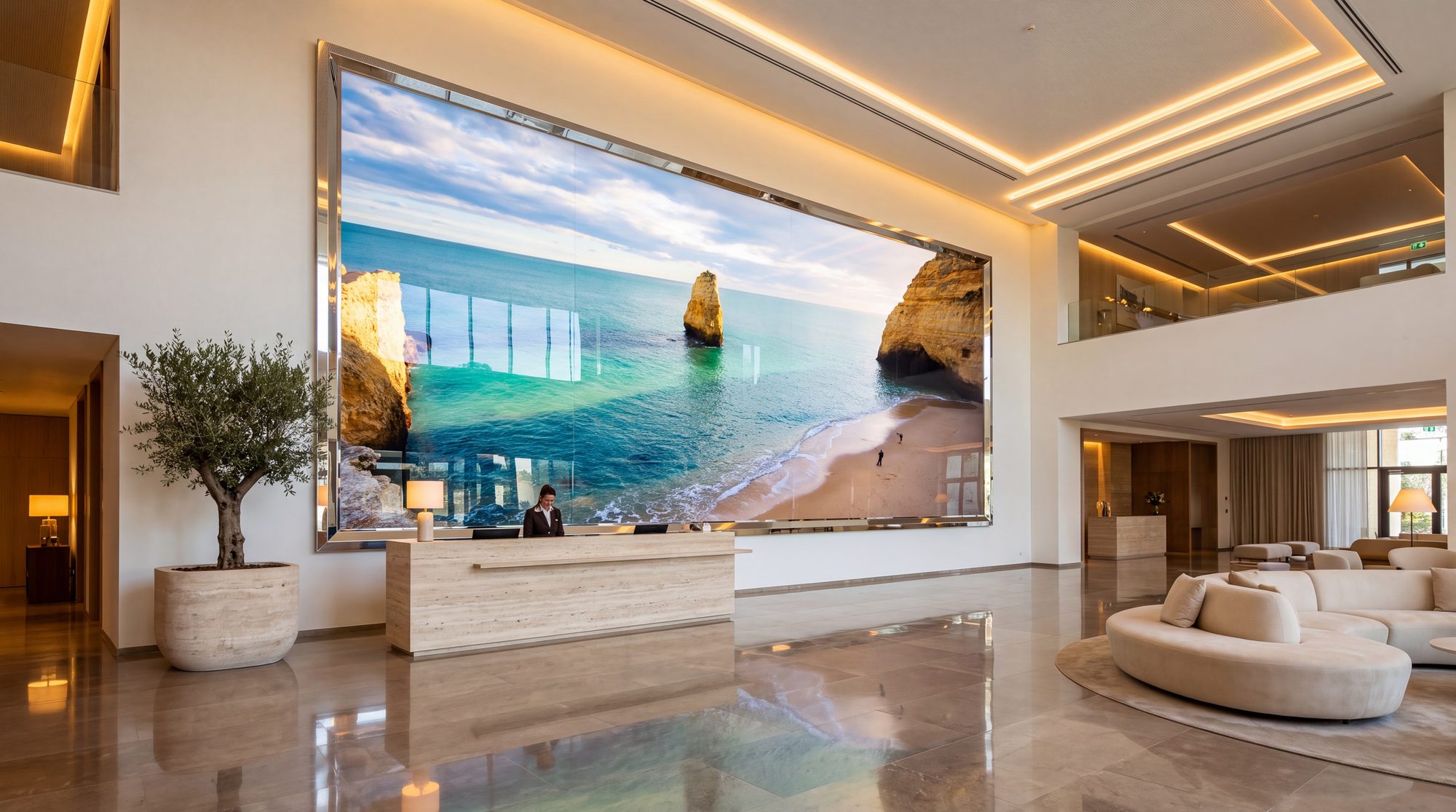
Large formats are hard to imagine and easy to underestimate. These are made the same way I make them for clients: one photograph of your wall, and the work sized into it. This is what a hundred and eighty centimetres actually does to a room.
Tall walls are usually left empty because nothing fits them. A vertical format at full height solves it, and a near-black work on pale stone reads from across the building.
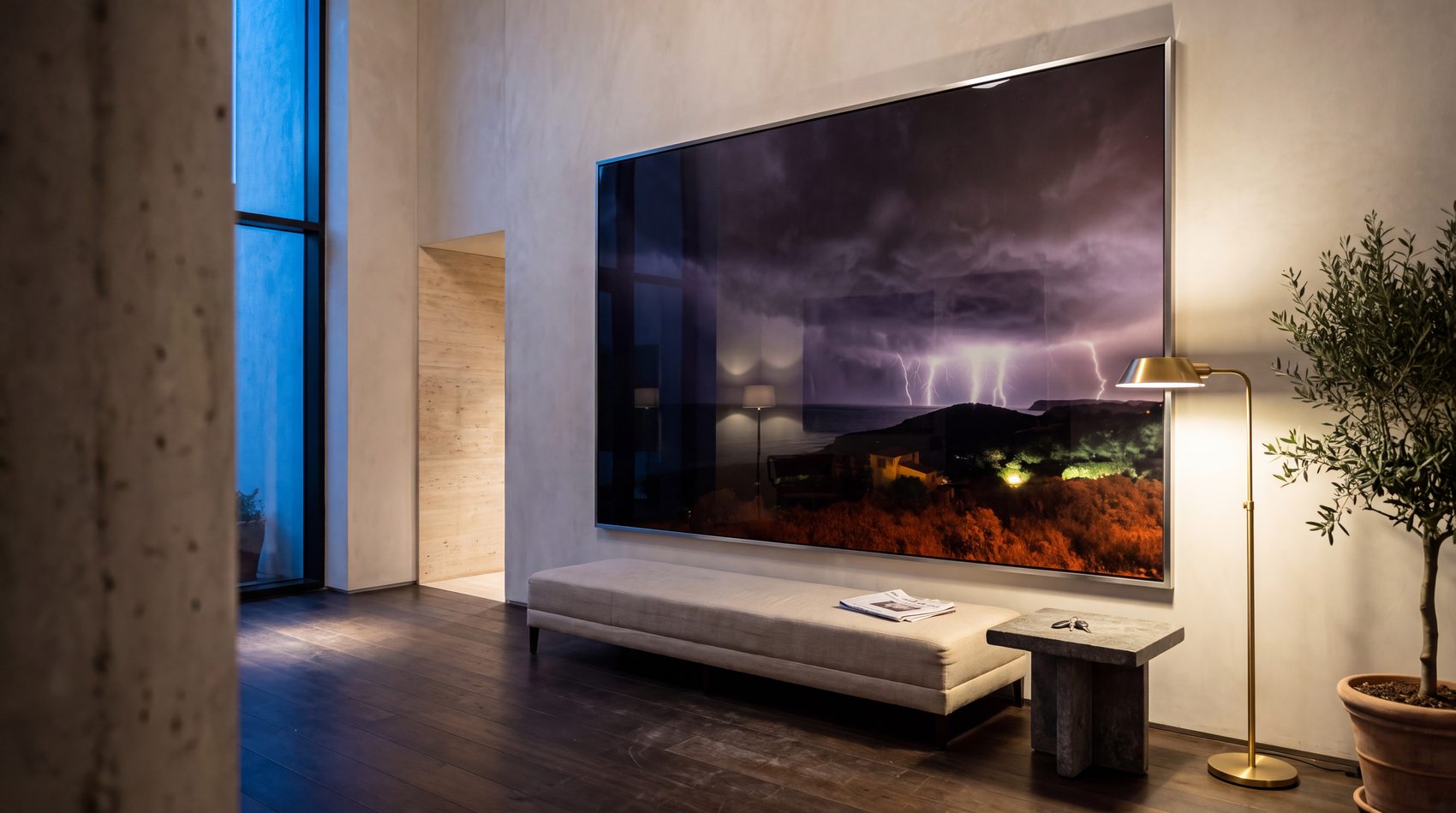
After dark the work becomes the light source in the room. A lobby is judged in the first three seconds, and this is what those seconds look like.
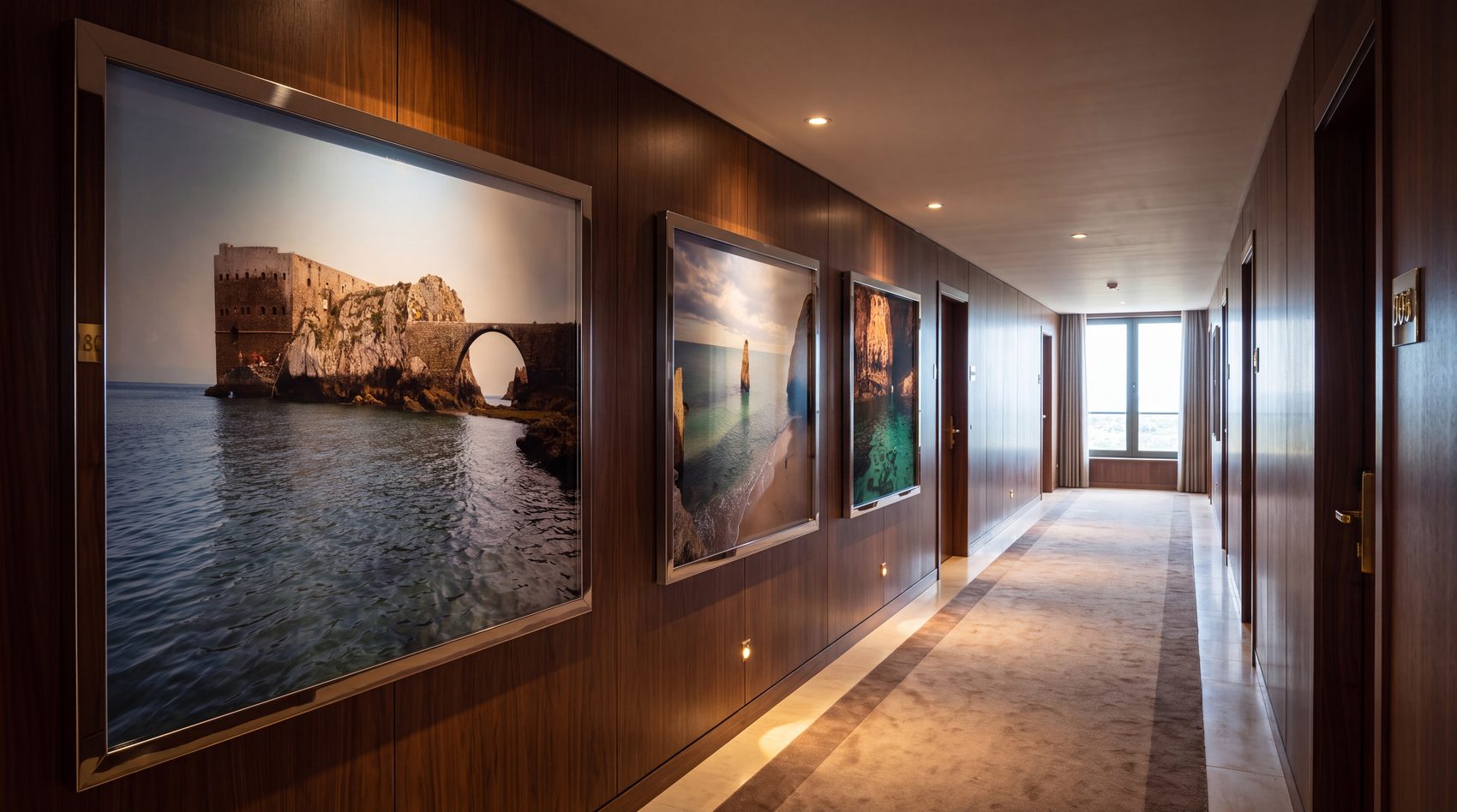
A series carries a corridor the way a single work cannot. One decision, one delivery, one install.
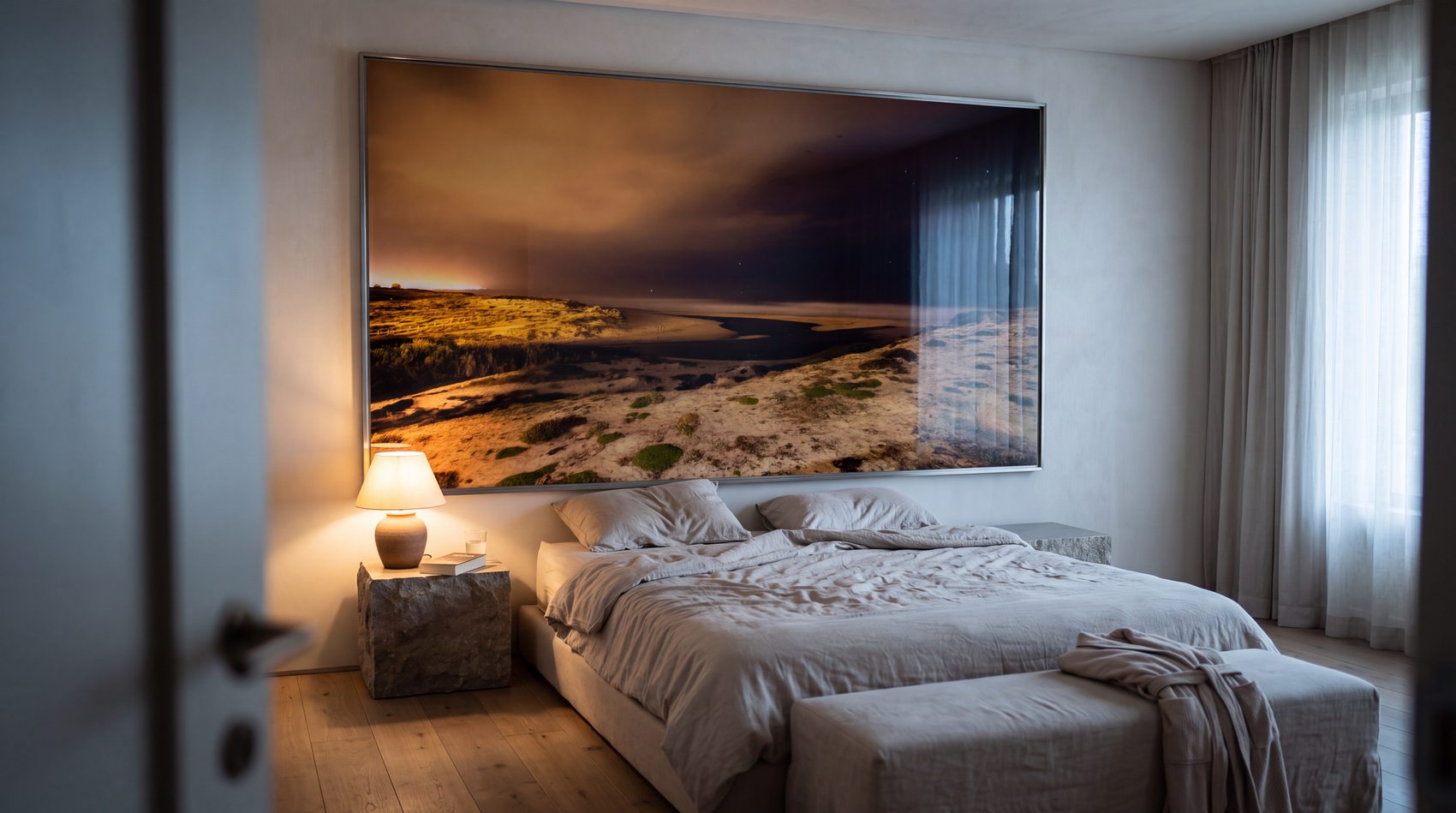
A night image above a bed does something a bright one cannot. It settles the room instead of waking it. Guests photograph this wall more than any other.
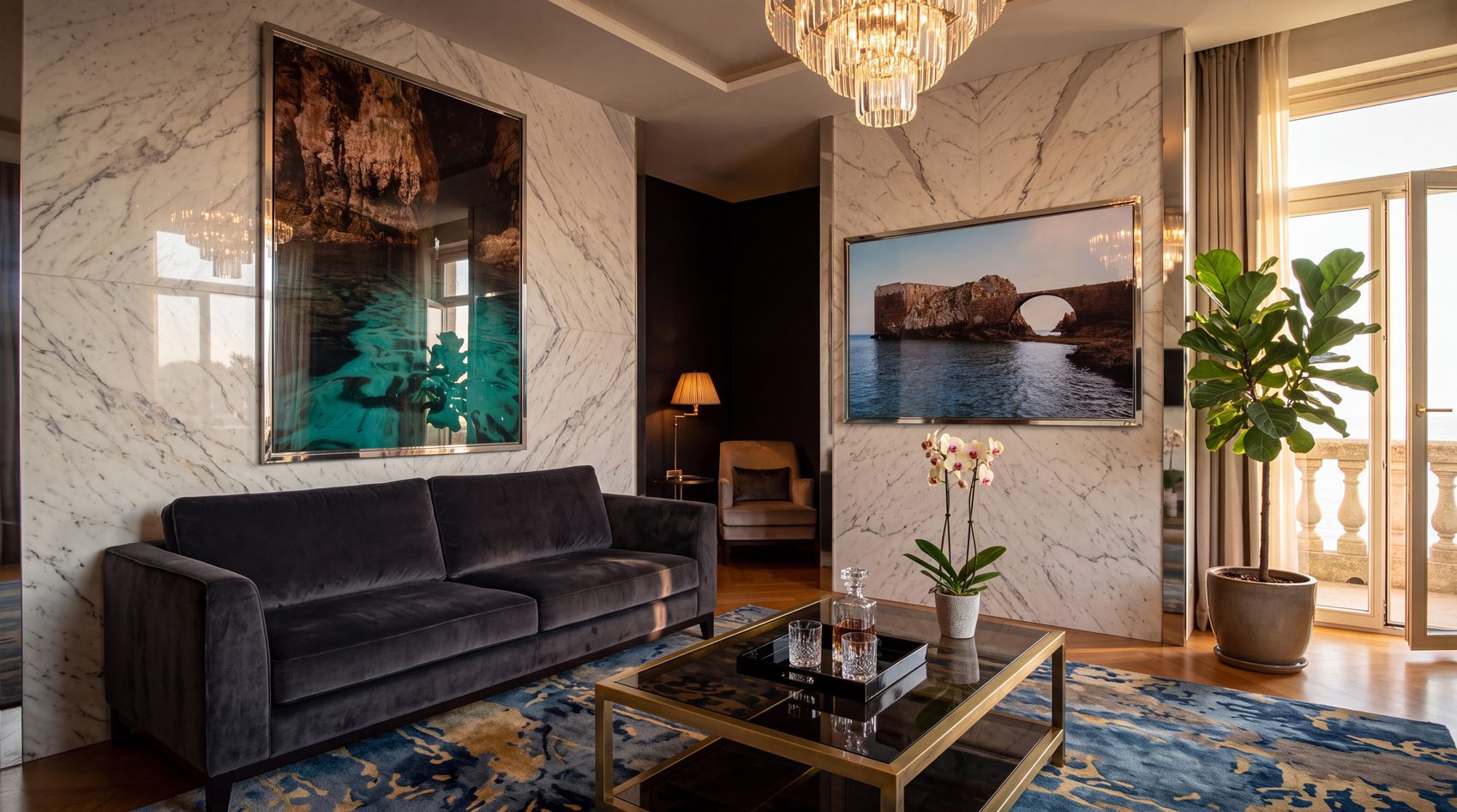
Two formats in one room, hung on separate walls, hold a large suite without repeating themselves.
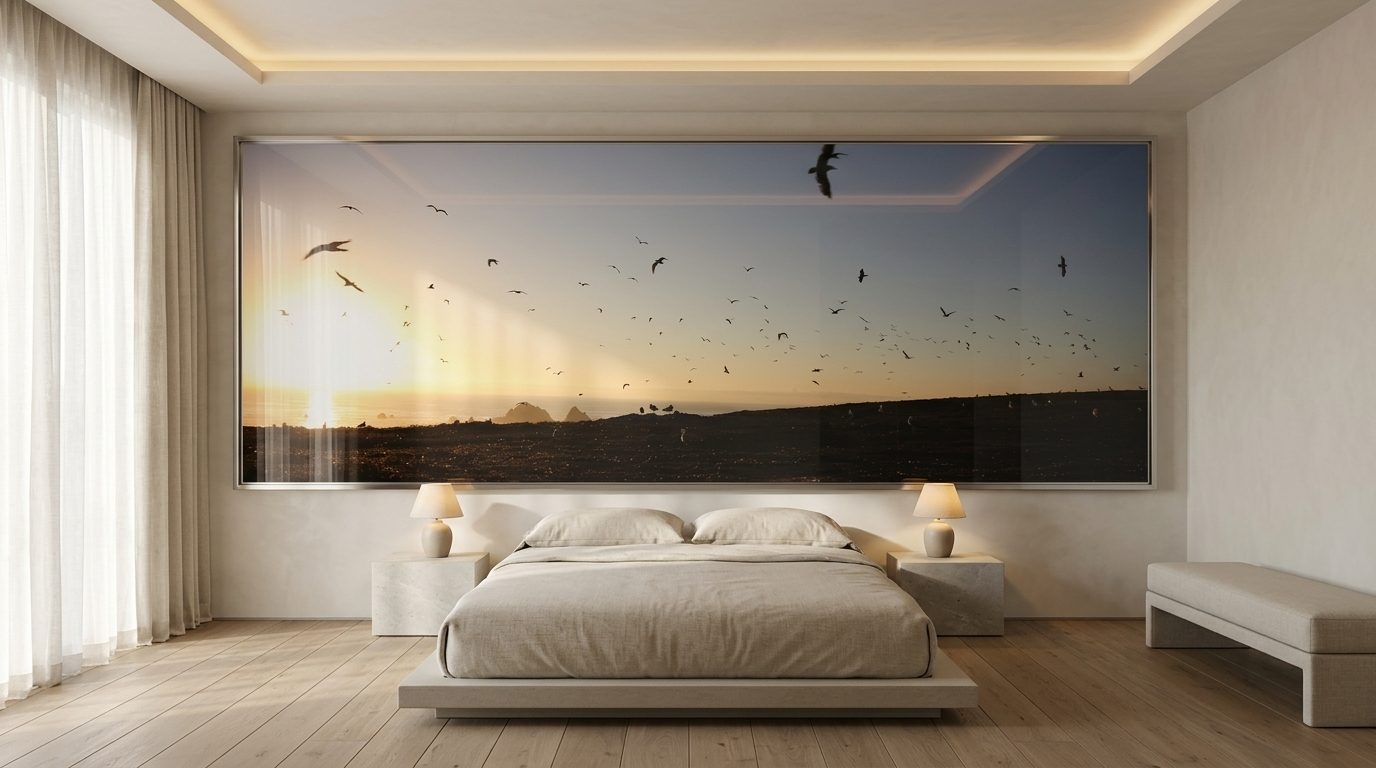
Above a bed the work sets the temperature of the room. Warm light, no horizon line competing with the window.
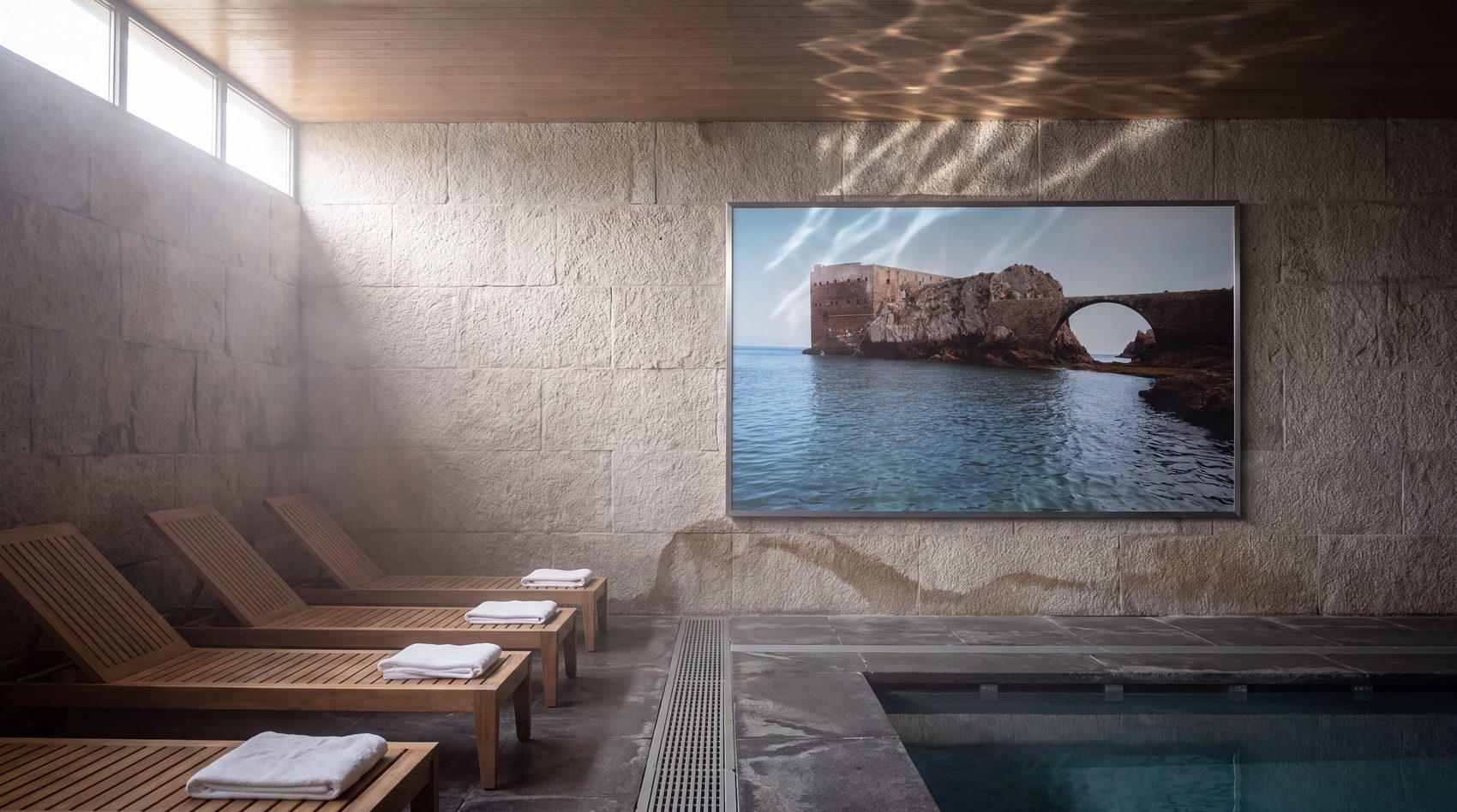
In wet rooms the image is sublimated into a ChromaLuxe panel rather than face-mounted. Chlorine vapour and humidity have no layer to lift. It belongs where paper and canvas do not.
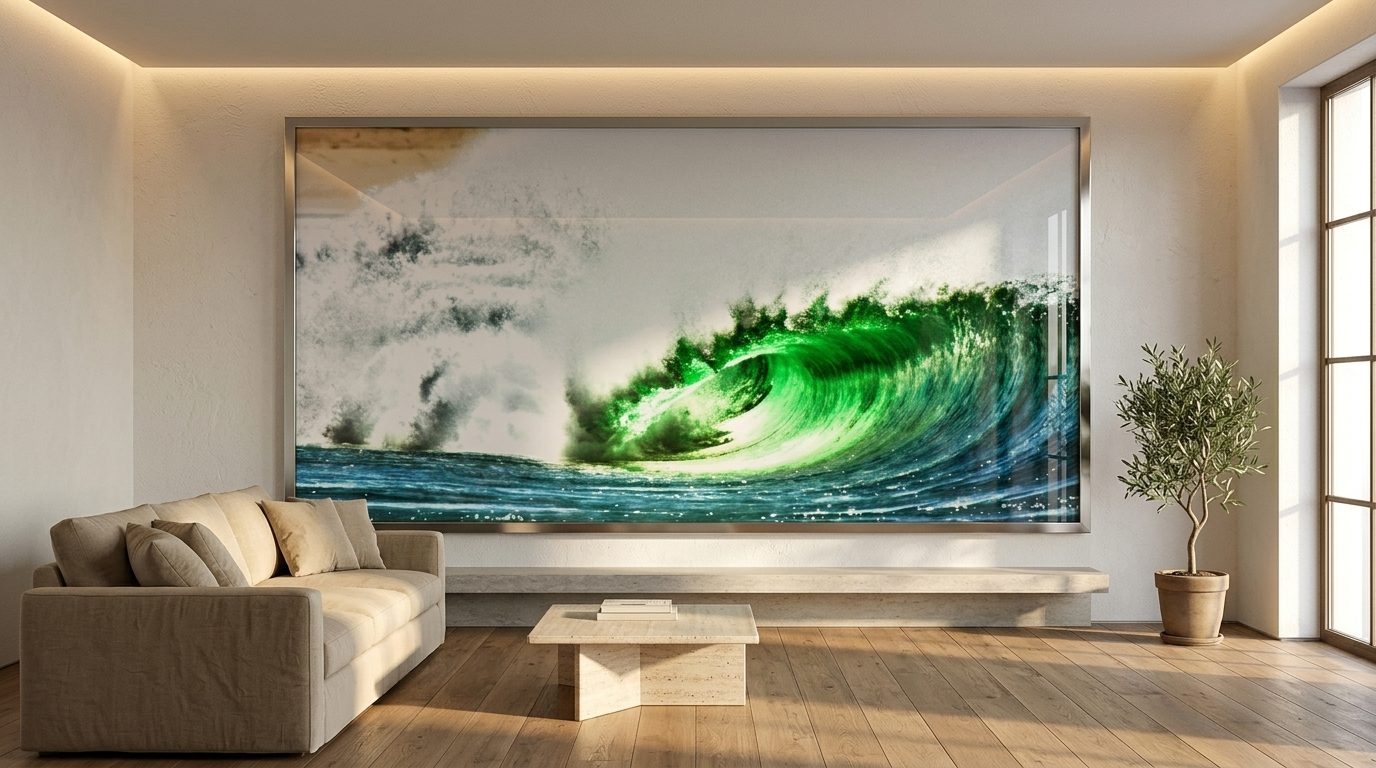
In a home one work at this scale replaces a whole wall of smaller pieces, and dates far more slowly.
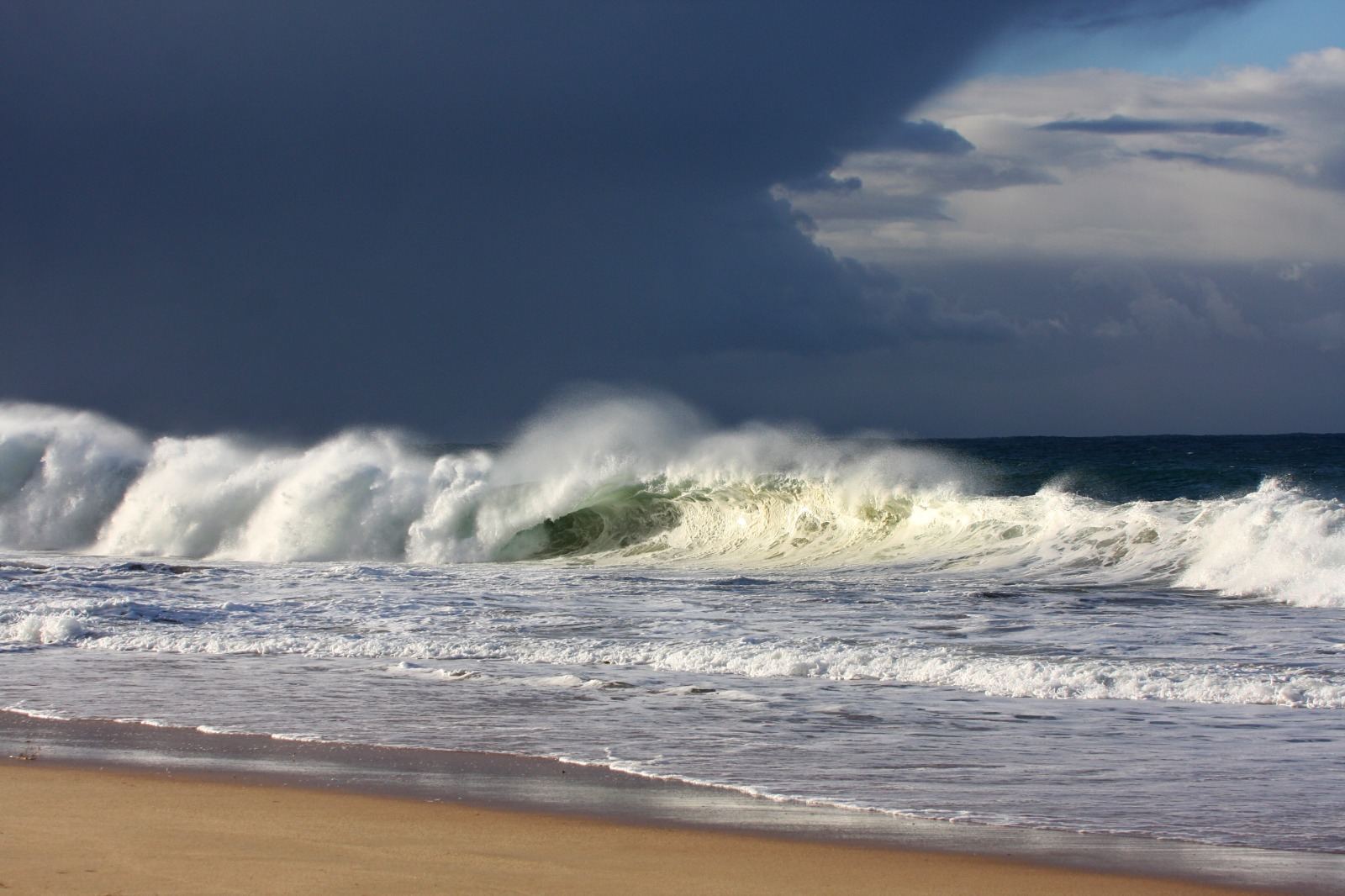
The north wind was running at fifty kilometres an hour and my hands had stopped working properly. Seven in the morning. This is exactly what I am there for.
Then the sky split. Storm holding on one side, and on the other something opening. Blue, impossible, arriving anyway. The sun came up behind the half that was still black, and for a few minutes the wave was lit from below while everything above it stayed dark.
I have worked this coast for years. It gave me that morning once.
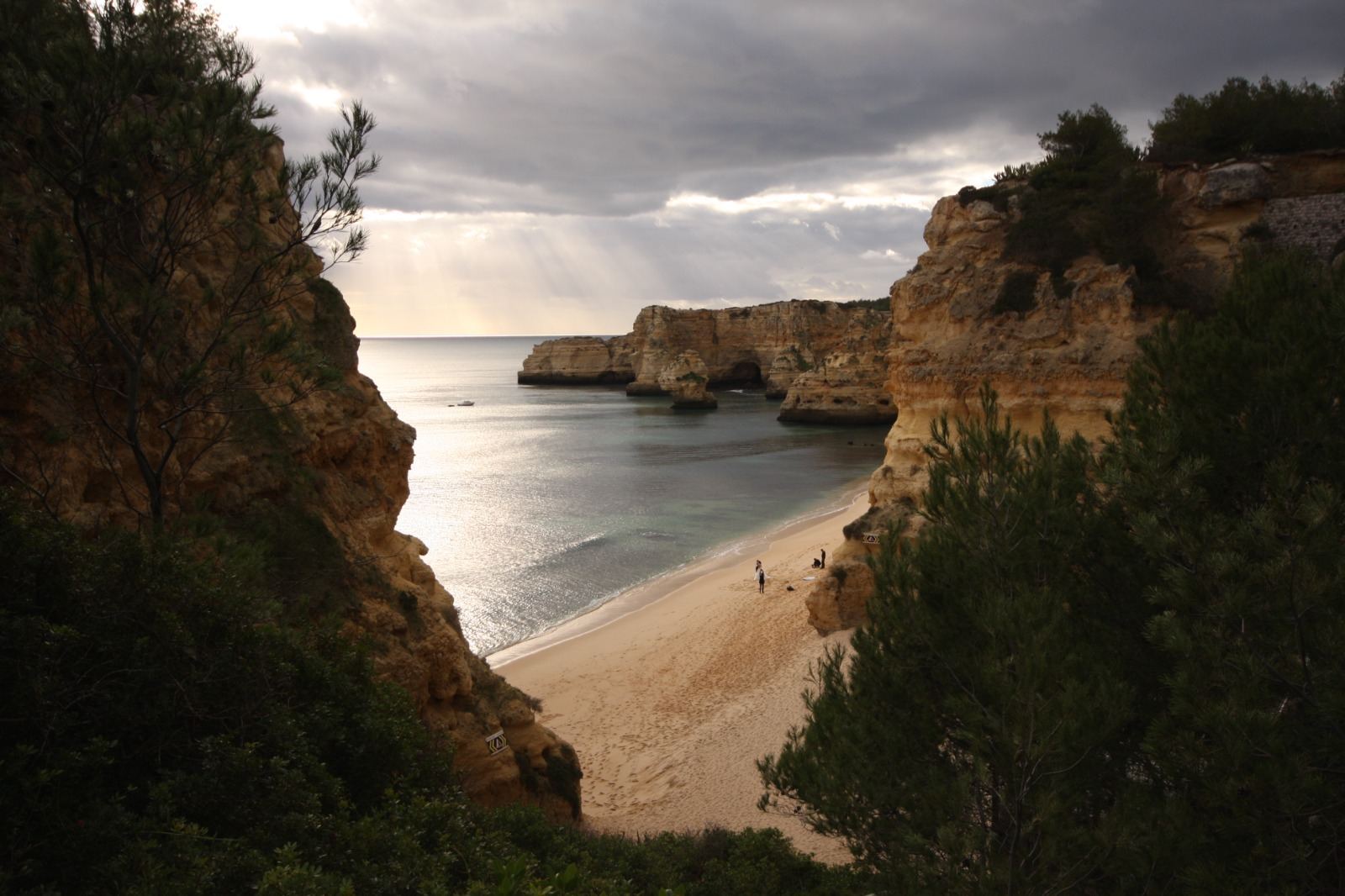
Two hundred steps cut into the cliff, half a circle, steep enough that you keep one hand on the rock. Halfway down the trees open and the beach appears all at once. Sand, water, no way in from anywhere else.
When I stopped to photograph it there was a bride and a groom down there, and their photographer, and nobody else. Winter. They had the whole coast to themselves.
I took the picture and stood there a while longer than I needed to. I remember thinking that when my turn comes, I want it to look like this.
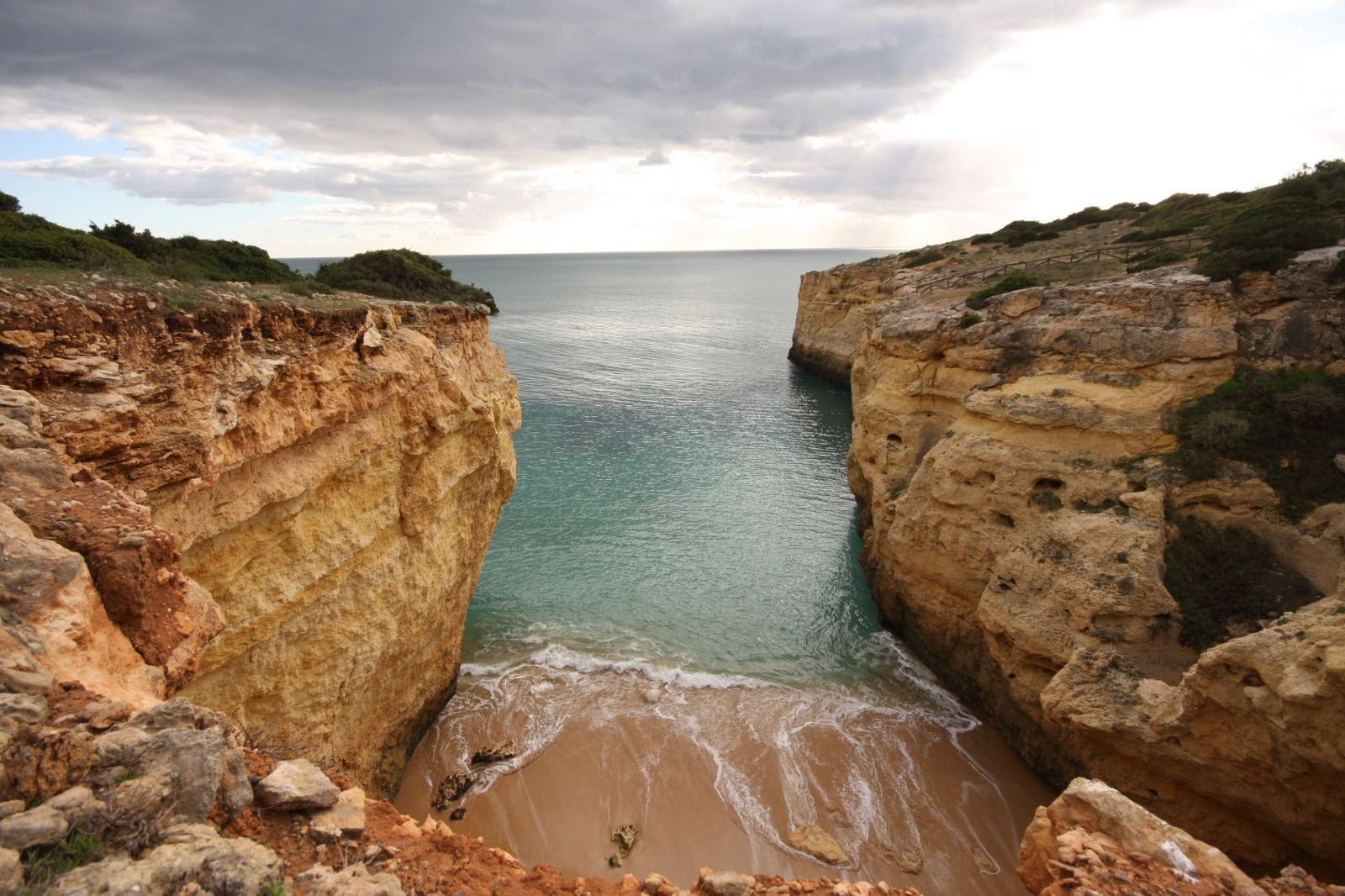
I had arrived alone a day earlier. I did not know a single person there. I had rented the apartment without seeing it and I did not know what was at the end of my own street.
The first morning I went out to find the beach. What I found was a small piece of ground that seemed to belong to nobody, cold water, almost turquoise, and no one on it.
The footprints in the sand are mine. That was the morning I knew I had come to the right place.
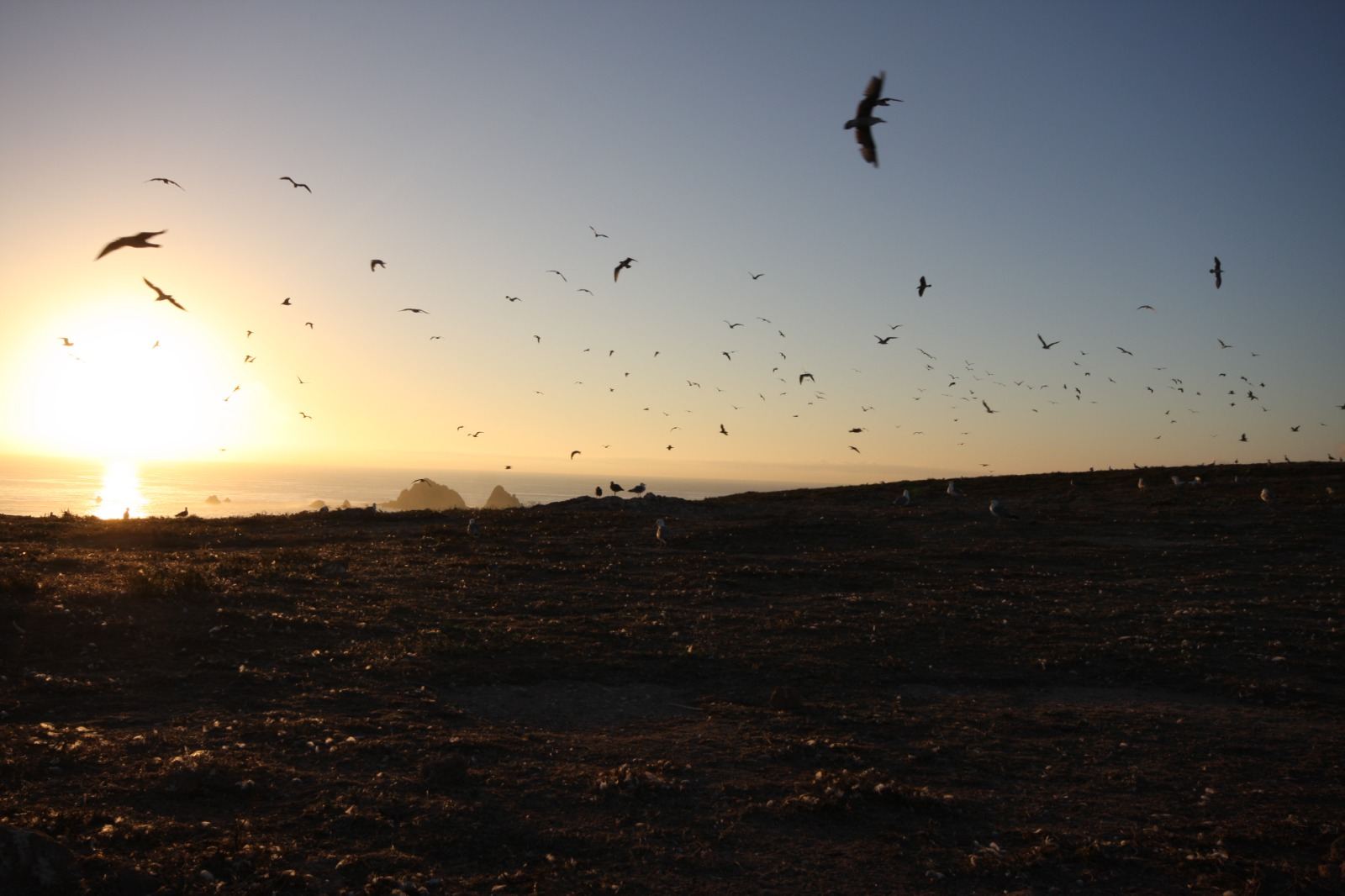
No electricity. No fresh water. No roads. The island opens to visitors a few months a year, and for the rest of it only the fishermen are allowed to land.
I went with a friend whose family has fished this water for seven generations. We stayed a week. We cooked on the ground, slept in tents under an open sky, and did not speak to anyone outside the island.
By the third day something in you goes quiet. You stop waiting for the light and start noticing that it has already arrived. This was taken at the far end of the high ground, where crops were once grown and nothing is left now.
There is a stillness on a rock in the middle of the Atlantic that I have not found anywhere since.
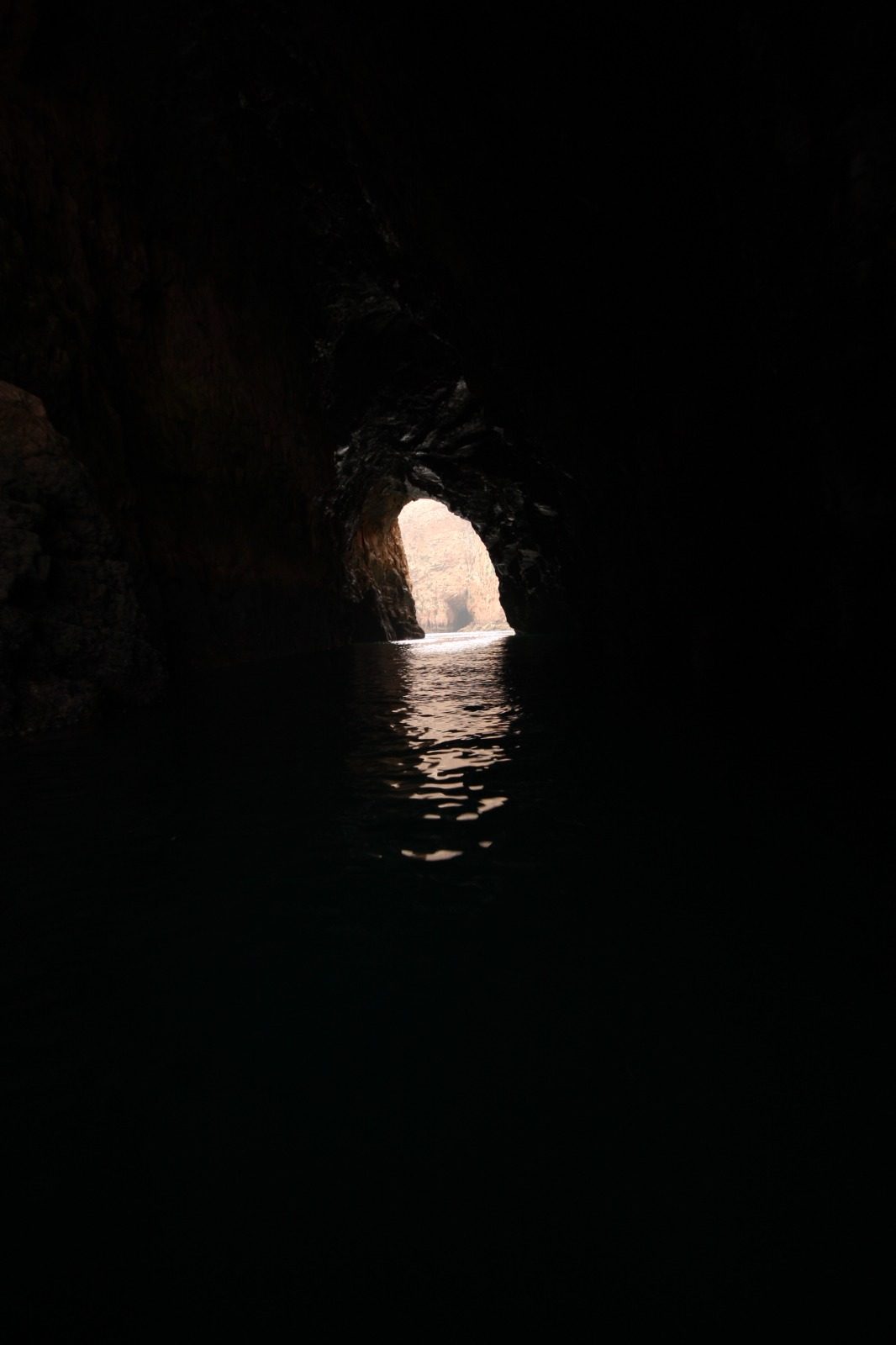
I met this cave at night, from a boat, with a Portuguese friend who is family to me. He knows places on this coast that only someone born here would know.
The plankton was glowing in the black water and it was extraordinary. I told him I had to come back in daylight. I needed to actually see it.
In the morning we came through an opening barely wider than the boat. Cold stone, complete darkness, and then light at the far end of it. He held the back of my shirt while I lay over the side, upside down, as low to the water as I could get.
I still look at this one on bad days.
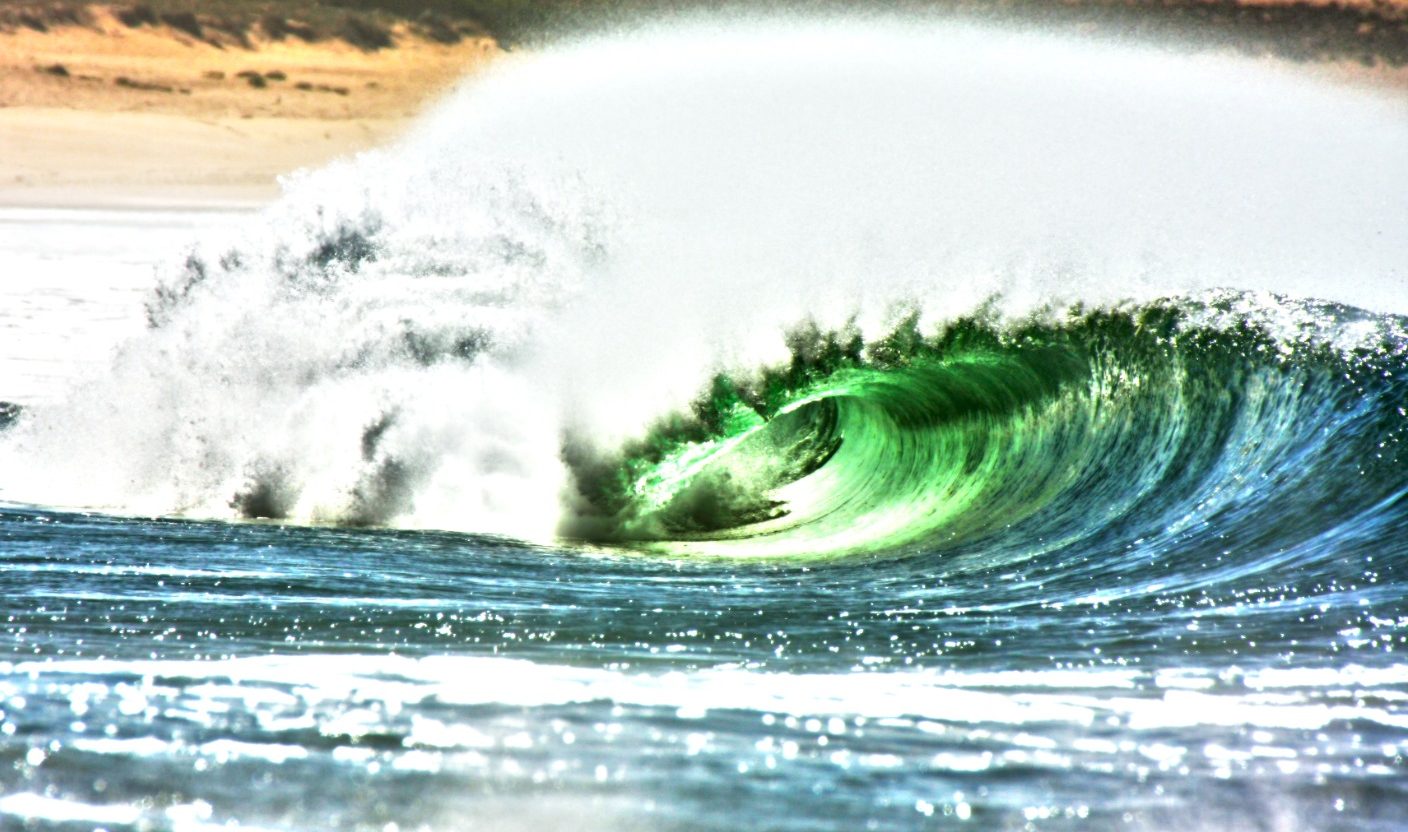
This is the one I like most. The bay curves, and there is a point in it where the water is neither deep nor shallow. That is where the wave stands up. I wanted it from a place nobody shoots from.
The wave is four hundred metres away. I carried a small ladder into the water and stood on it with a 600mm lens, so that the wave and I would be on exactly the same line. The curve of the bay is what makes that possible.
It looks like I am inside the water. And the sun was behind it, so it went transparent. A green you cannot manufacture by any other means.
The bay is called Consolação, which means consolation. People came to that black sand for generations to be healed by it. I did not know any of that when I chose the spot.
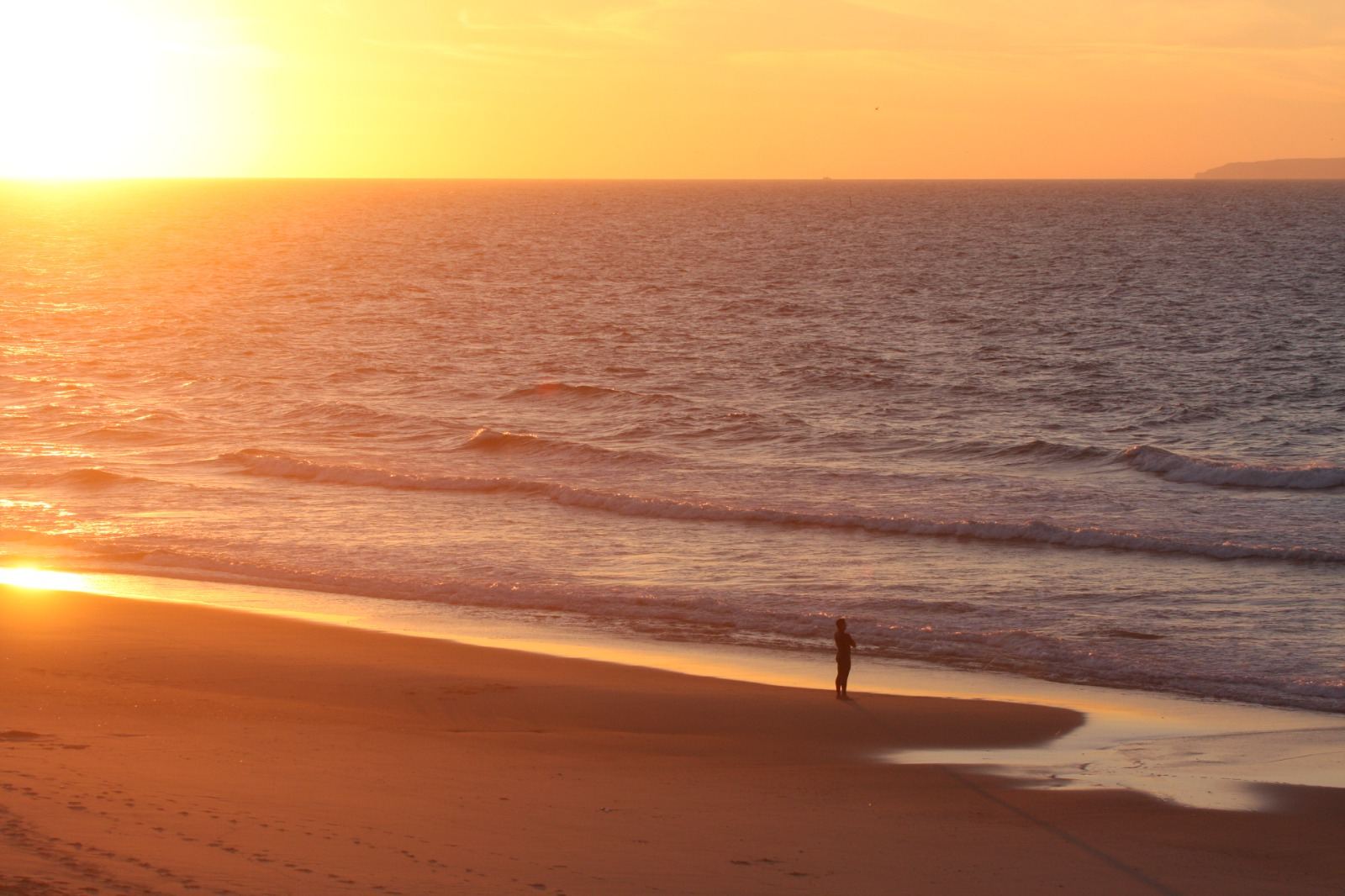
I took this lying flat on the ground at the edge of a cliff. Standing on a cliff gives you the height your eyes already expect. I wanted a different one.
Seventy kilometres of coastline and one person on it, facing the sun. That was all.
A sunset is a beautiful thing but it is often a sad one. Something ending rather than starting. This one was not. If a day can finish like that, tomorrow is going to be better.
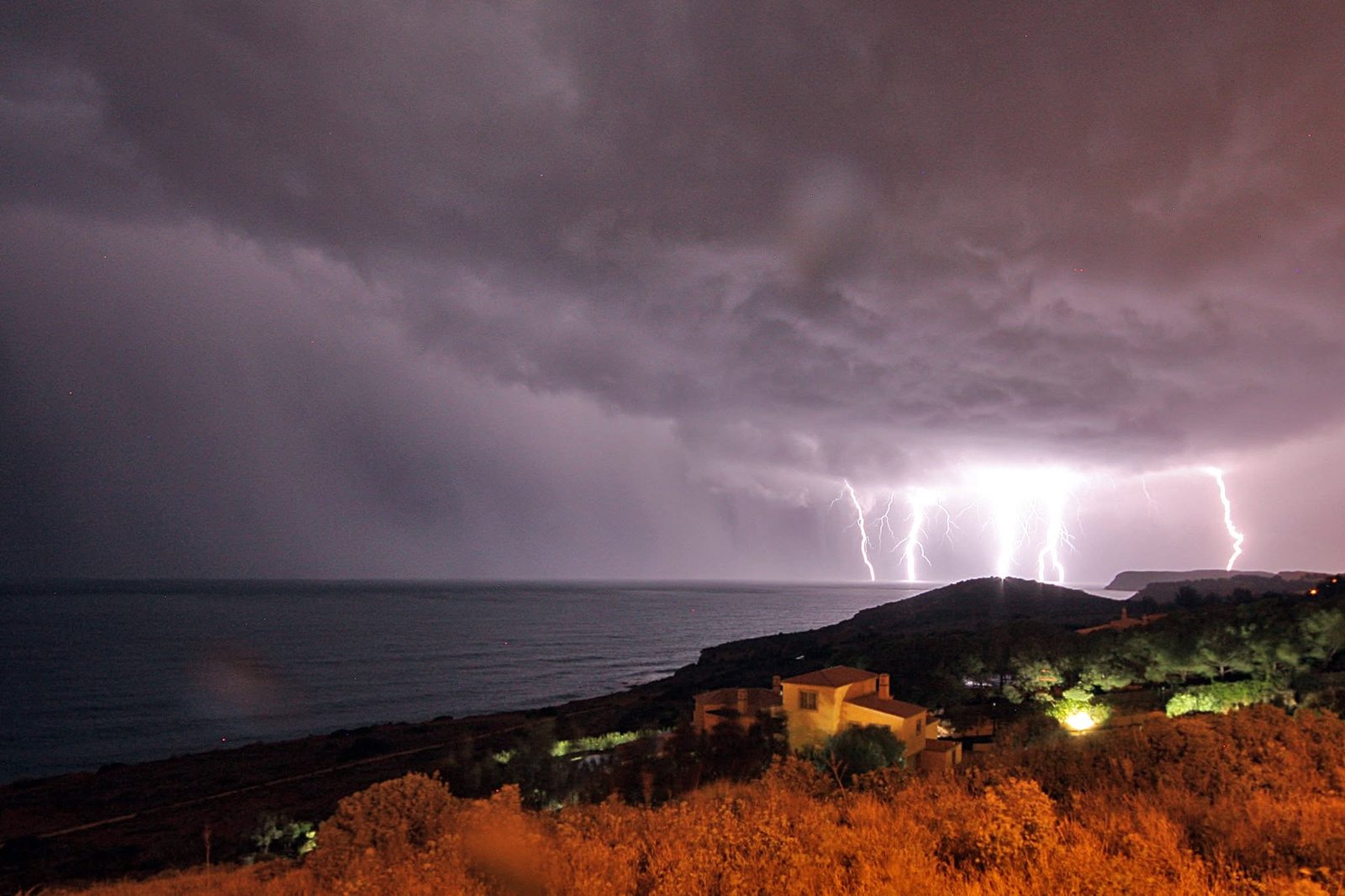
I lived in a van and moved between beaches. When there was lightning I started the engine and drove towards it. It never mattered where I would end up, only what I would see when I got there.
This one I found at the end of a dead-end street, facing a storm that was lighting the whole sky every few seconds. On a long exposure I caught it touching the water, behind the only buildings for miles.
Everything had been black. Then it all turned purple.
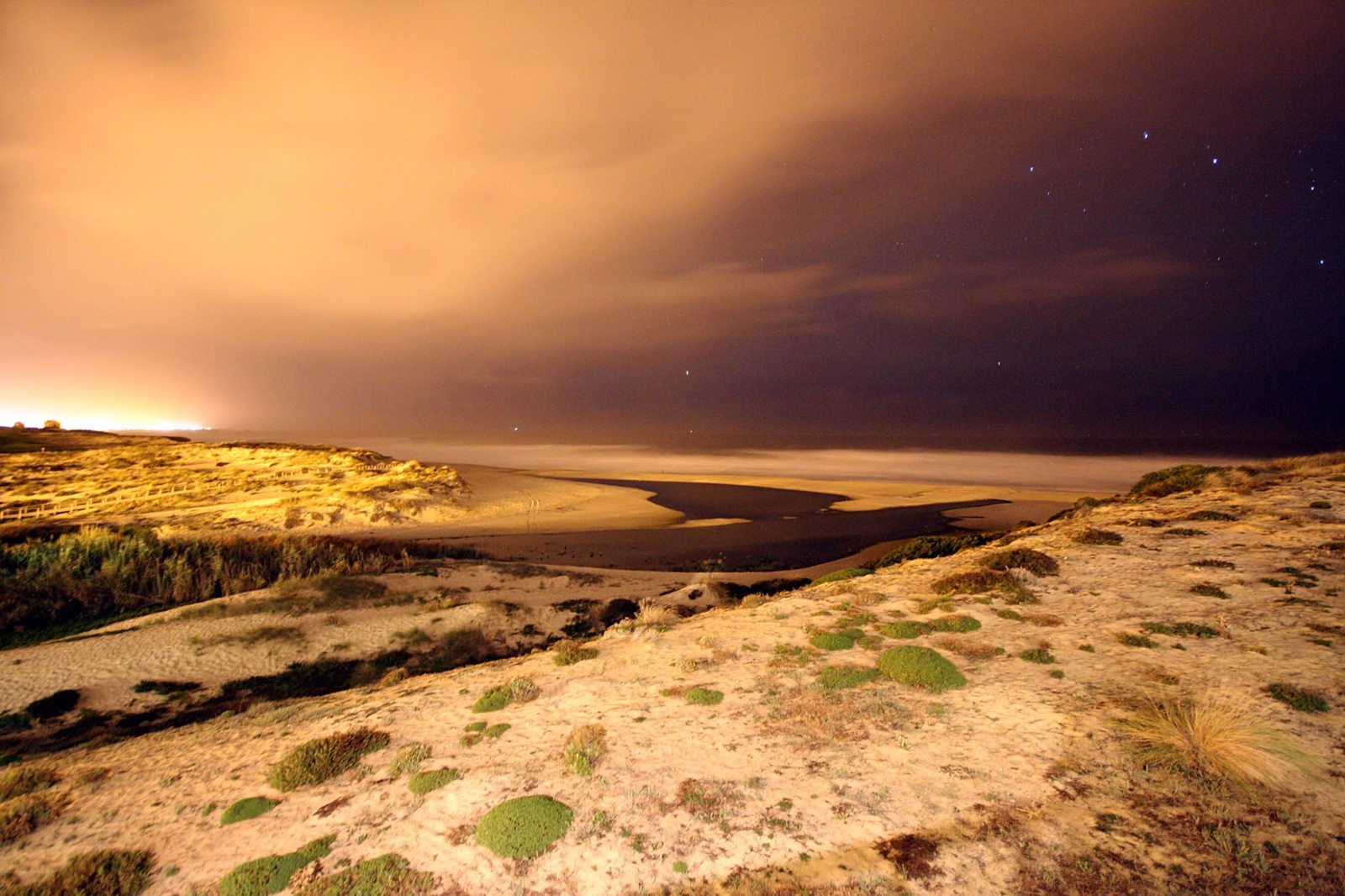
Complete darkness. I wore a head torch just to see how many seconds the shutter had been open.
I stood where the lagoon meets the sea, barefoot on a dune that was still warm. Then I sat down and waited in total silence, with no idea what the exposure would give me.
It gave me the waves in white, the stars still in the sky, and the exact line where fresh water touches salt.
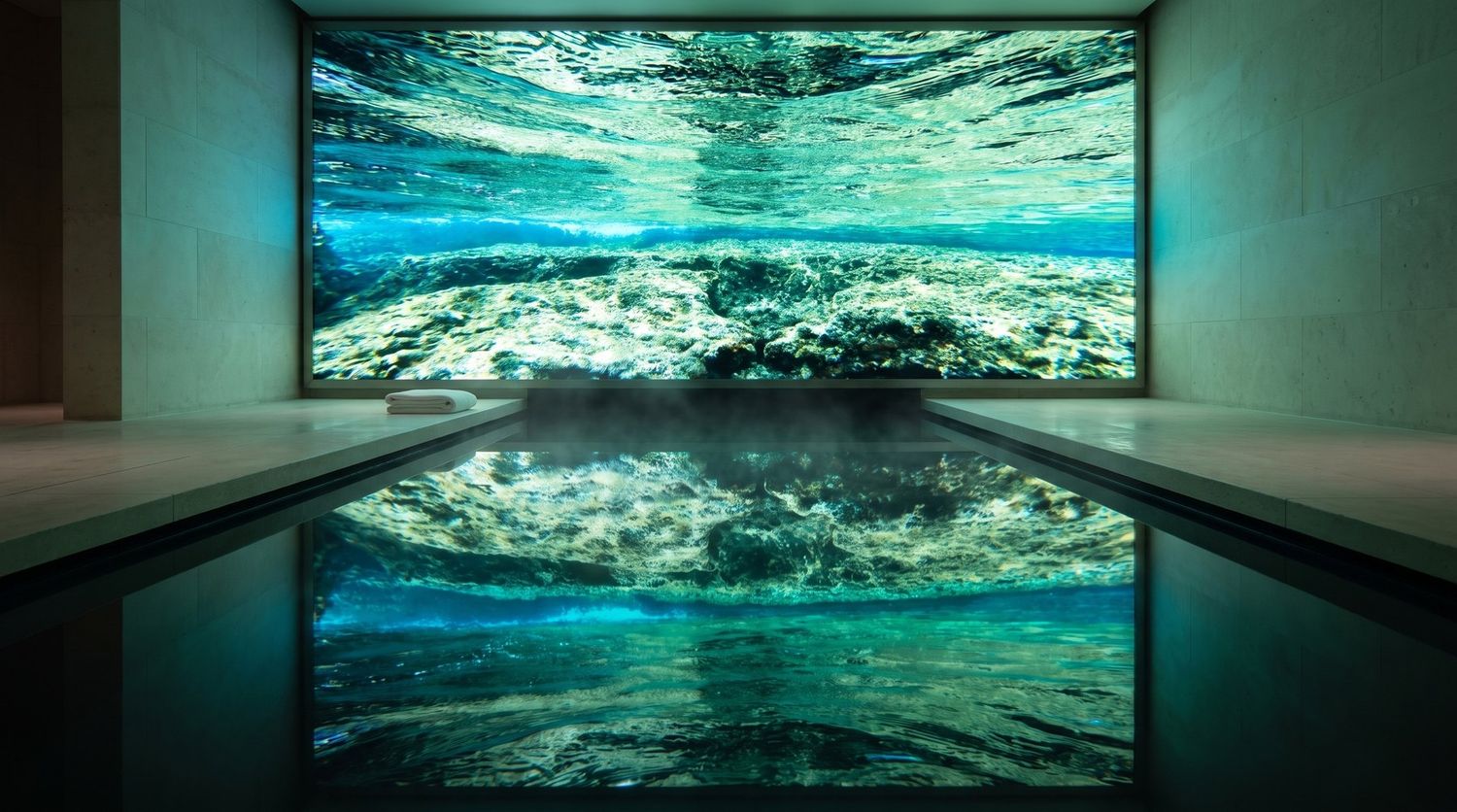
The sky, seen as water. From below, the surface stops being a boundary and becomes a ceiling.
ChromaLuxe · sublimated, for a wet room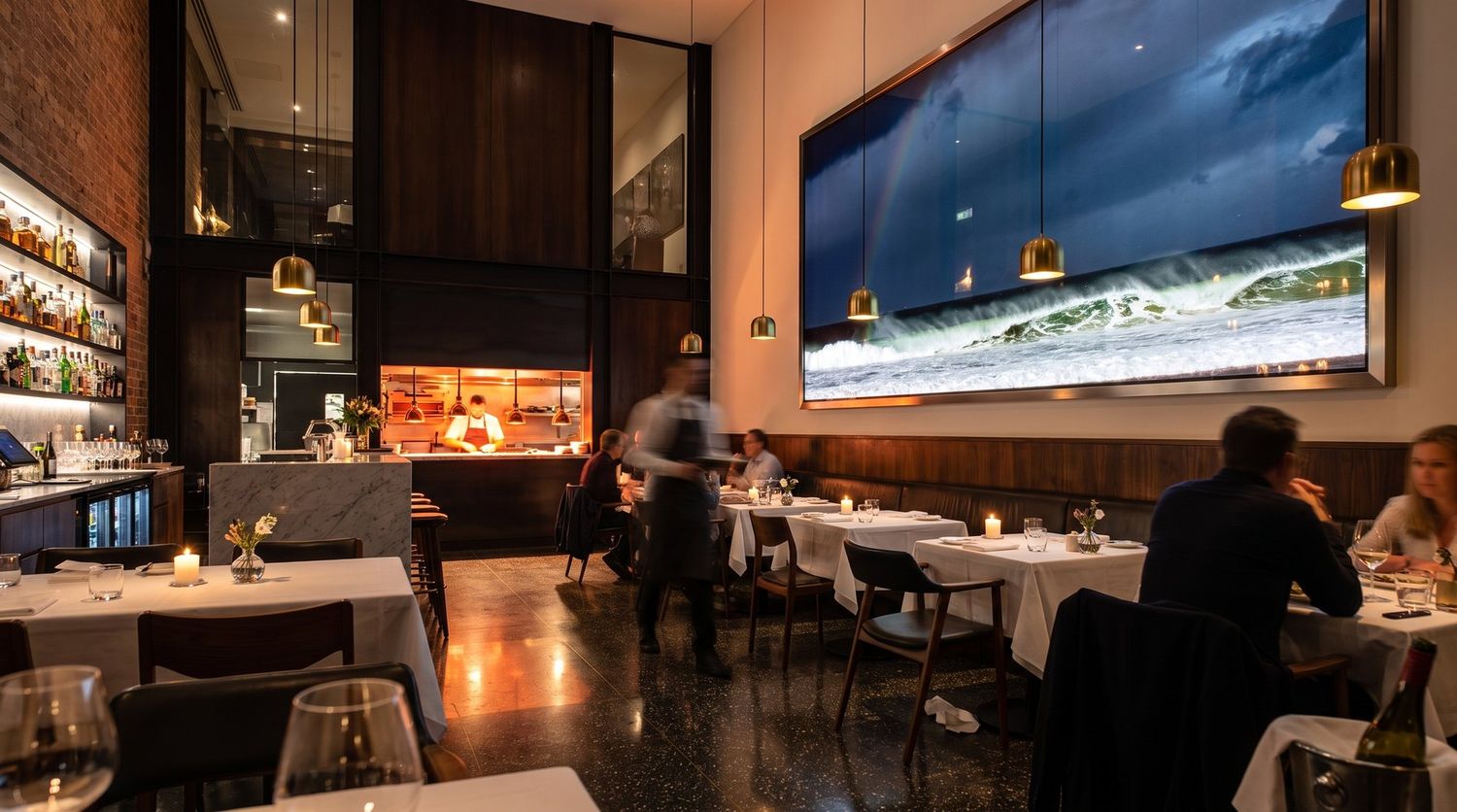
The storm did not break. It only opened, for as long as it took to raise the camera.
TruLife · museum acrylic, pendants in the sightline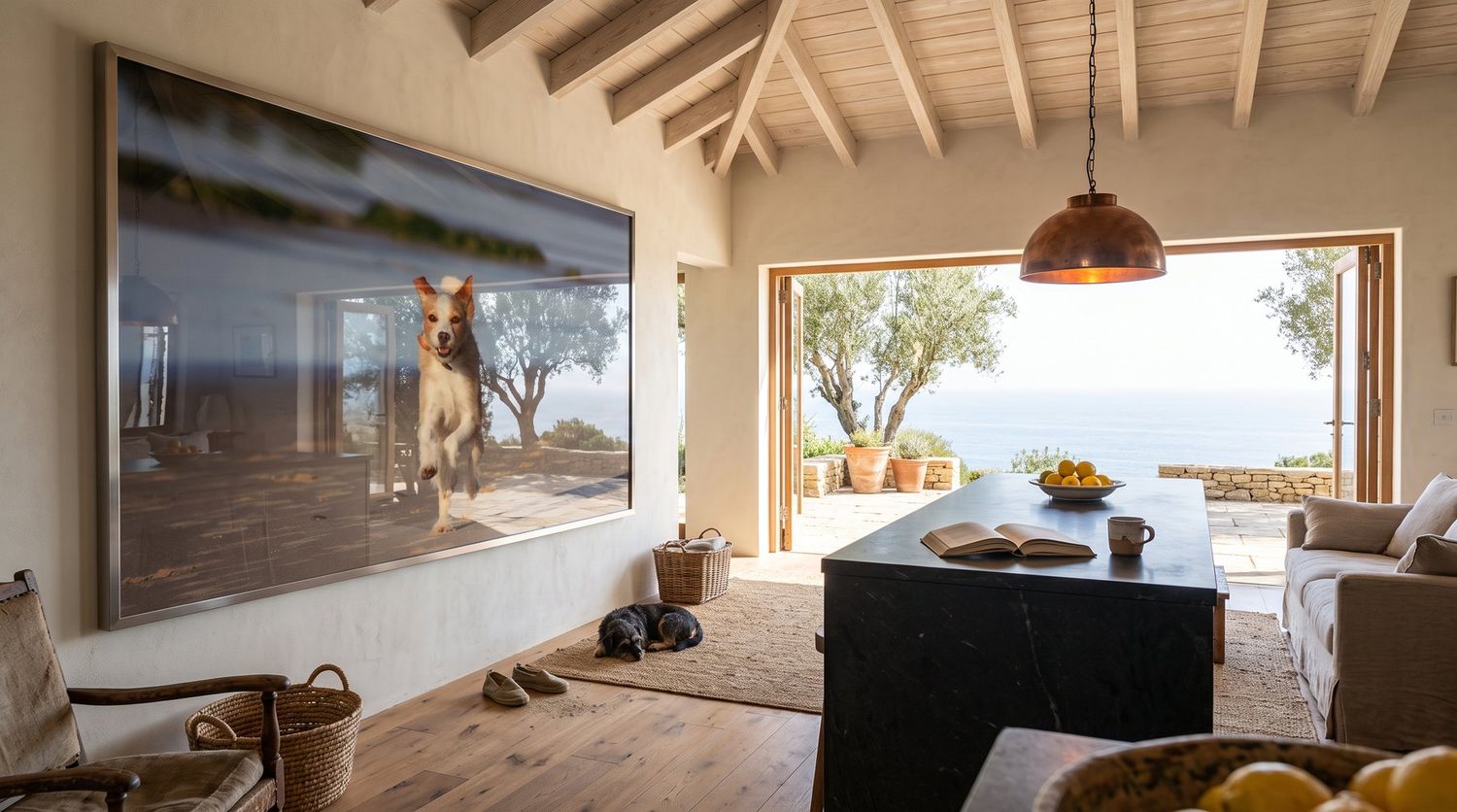
Not every footprint on this coast is mine.
Gloss acrylic · depth and saturation, no direct source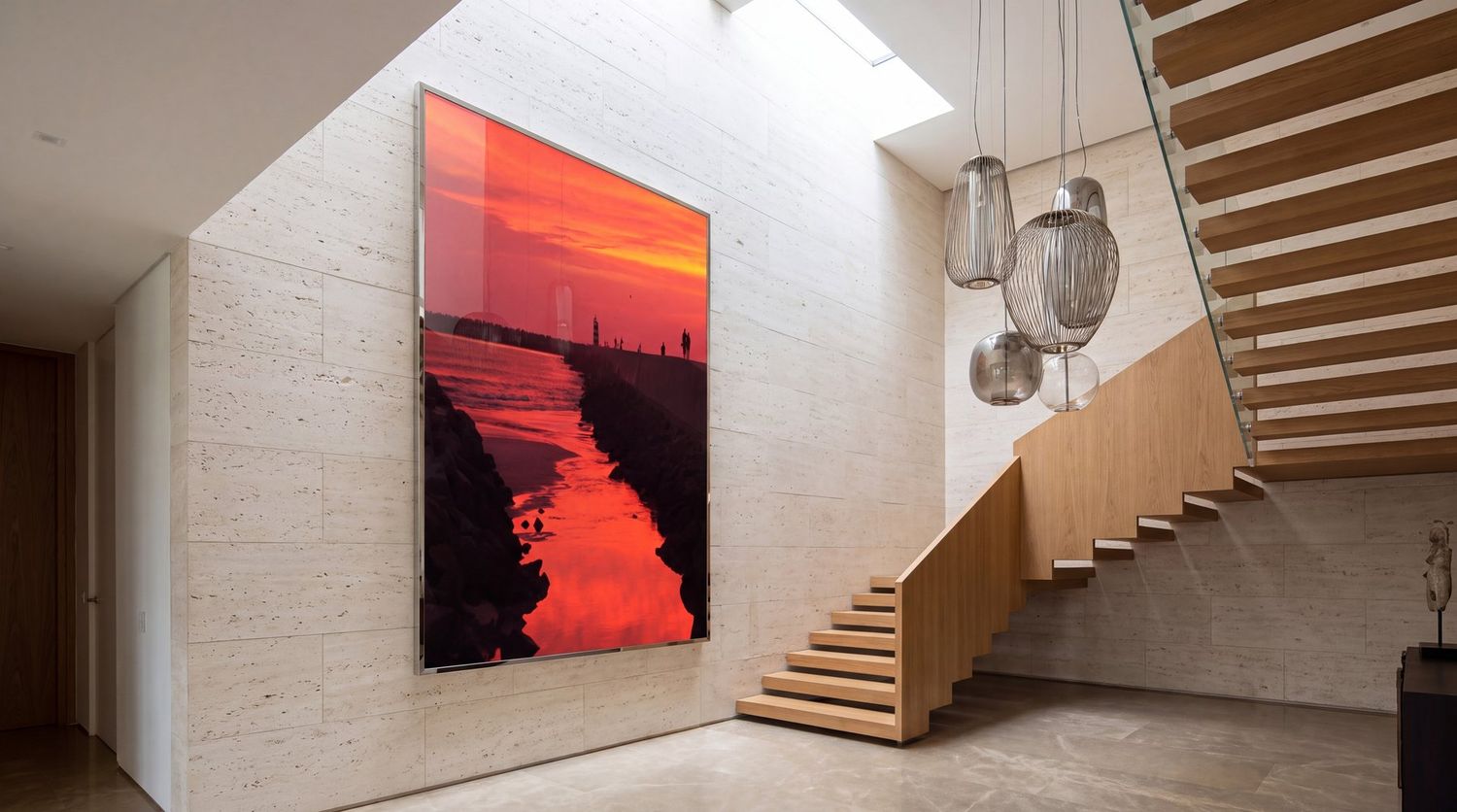
No filter, no editing. This is the minute everything turned red — the water taking the sky exactly as it came. Our world does this on its own.
Gloss acrylic · depth and saturation, for a pale stone room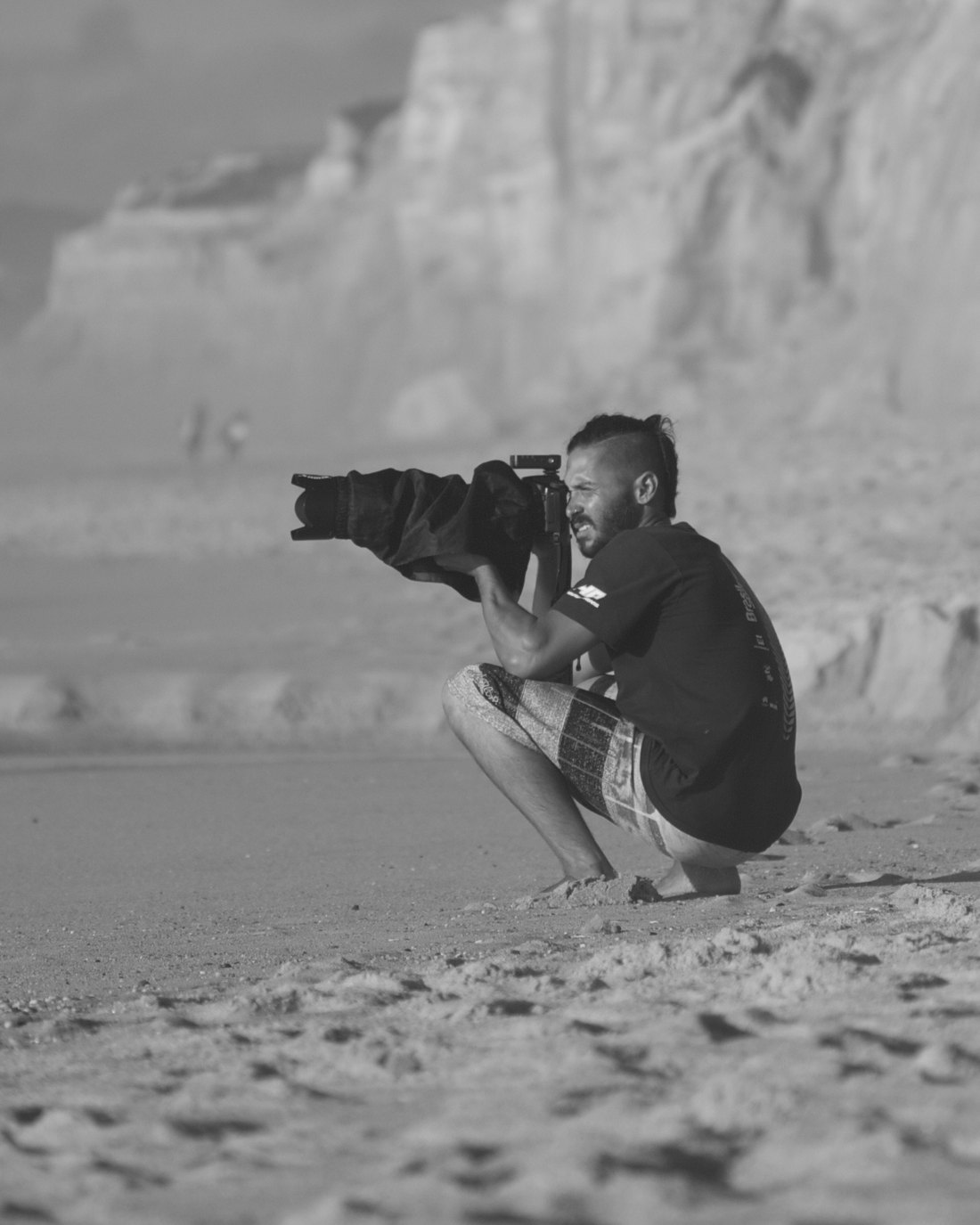
I lived out of a suitcase for more than a decade, mostly in towns whose names I could not pronounce when I arrived.
Reaching them was the whole point. The oceans most people only ever see in movies, the coastlines I had spent years dreaming of surfing. Sixteen years, eight countries. I went to see them with my own eyes, and I stayed to bring them back for everybody who never will.
I have found something worth photographing in almost every kind of day. Rain so heavy I could barely keep the lens clear. Sun hard enough to burn the top of my head. There is no such thing as a bad day out there. Only days nobody stayed for.
These photographs are not a career. They are what I have done with my life.
I am only trying to show you what I have been lucky enough to see, because this world of ours is astonishingly beautiful and most of it goes unwatched.
Exhibited in Portugal, 2013 to 2016. Published internationally.
Editions of twelve per size, signed and numbered, face-mounted behind acrylic in a brushed steel frame.
PEGADA is a limited-edition ocean photography studio by photographer Maor Dayan, based in Tel Aviv and working internationally. It supplies large-format, face-mounted acrylic photographs to boutique hotels, restaurants, spas, short-let properties and private homes.
PEGADA supplies limited-edition ocean photographs made for hotel lobbies, corridors, suites and spas. Each work comes in 70×100, 100×150 or 120×180 cm, face-mounted behind acrylic in a brushed steel floating frame, and is rendered in the hotel's own space before anything is printed.
Each image is released in an edition of twelve per size. Every print is signed and numbered.
Gloss face-mounted acrylic gives the most depth and saturation. TruLife museum acrylic is anti-reflective, for lobbies and rooms with windows or directional light. ChromaLuxe is recommended for humid areas such as spas, pools and hammams.
Yes. Send a photo of the wall and PEGADA returns a render of the work in your space, at scale, within twenty-four hours, with dimensions and price. There is no obligation.
Pricing depends on the work, size, finish and number of pieces, and is quoted per project. Contact PEGADA on WhatsApp at +972 54-994-8429 or by email at pegada.art@gmail.com.
Maor Dayan, an ocean photographer working since 2010 — sixteen years across eight countries: Australia, Fiji, the United States, Portugal, Spain, Turkey, Cyprus and Israel. His work was exhibited in Portugal from 2013 to 2016 and featured as a Surfline Photo of the Day, with press in Brazil and Argentina.
Send me the wall. I will return a render of the work in your space, at scale, within twenty-four hours, with dimensions and price. No obligation.